We help select reliable equipment to keep heating, internet, and essential home appliances running during power outages. From boiler UPS systems to comprehensive whole-house battery setups.
We deliver resilient power continuity solutions tailored for private homes, modern apartments, and critical utility equipment during grid outages.
From zero-transfer-time uninterruptible power supplies (UPS) for heating boilers and circulation pumps to automated battery storage stations and compact low-emission generators, our systems ensure your essential appliances remain online without interruption.
Rigorous sizing for inrush currents from compressors, motors, and smart electronics.
Accurate battery discharge curves modeled to match your exact heating and lighting cycles.
Strict adherence to electrical building codes, fire isolation, and overvoltage protection.
Expandable architectures that scale storage capacity as your energy requirements evolve.
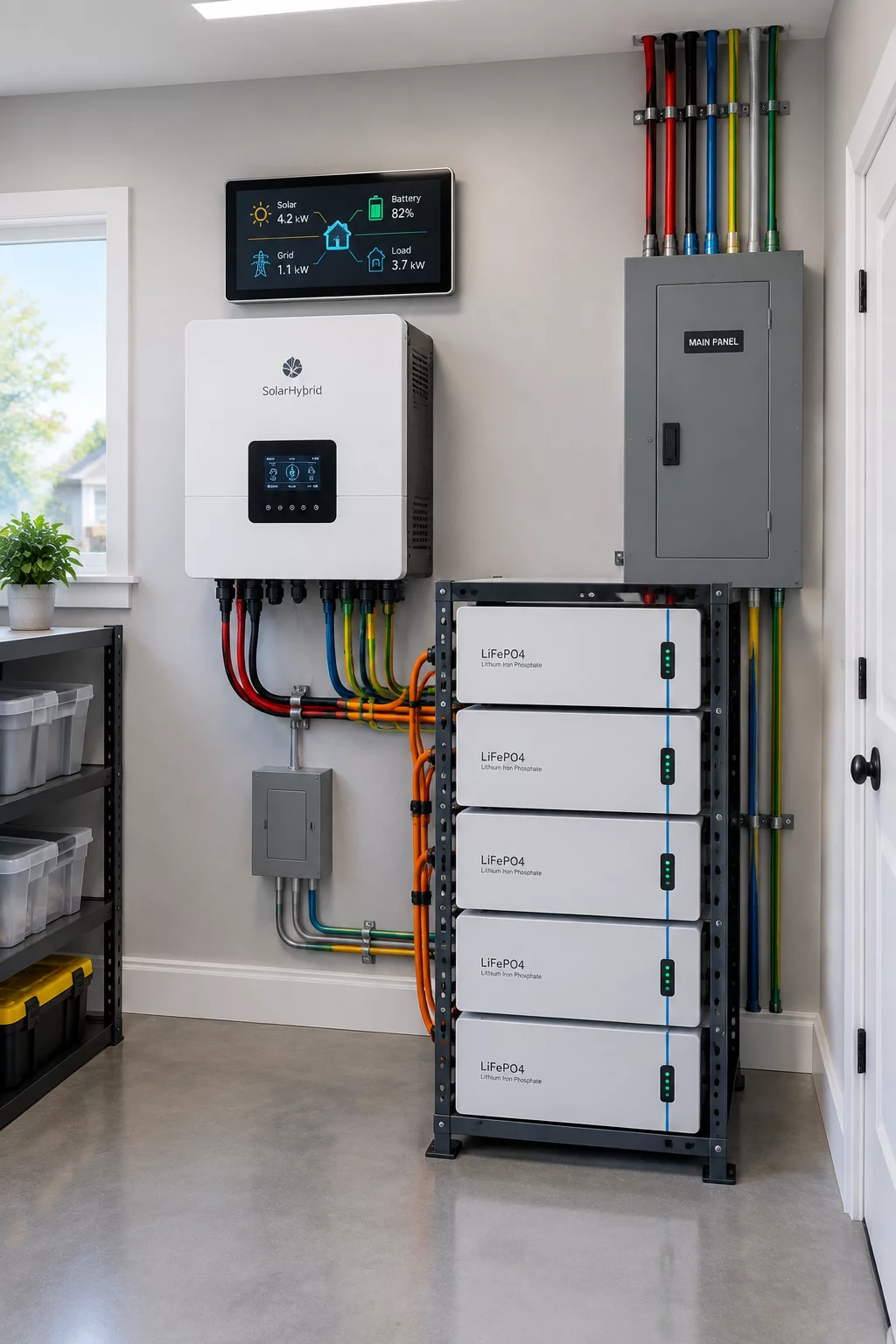
Calibrated for uninterrupted performance
Engineered solutions tailored to keep critical residential loads operational during grid instability, utility failures, and long-term emergency blackouts.
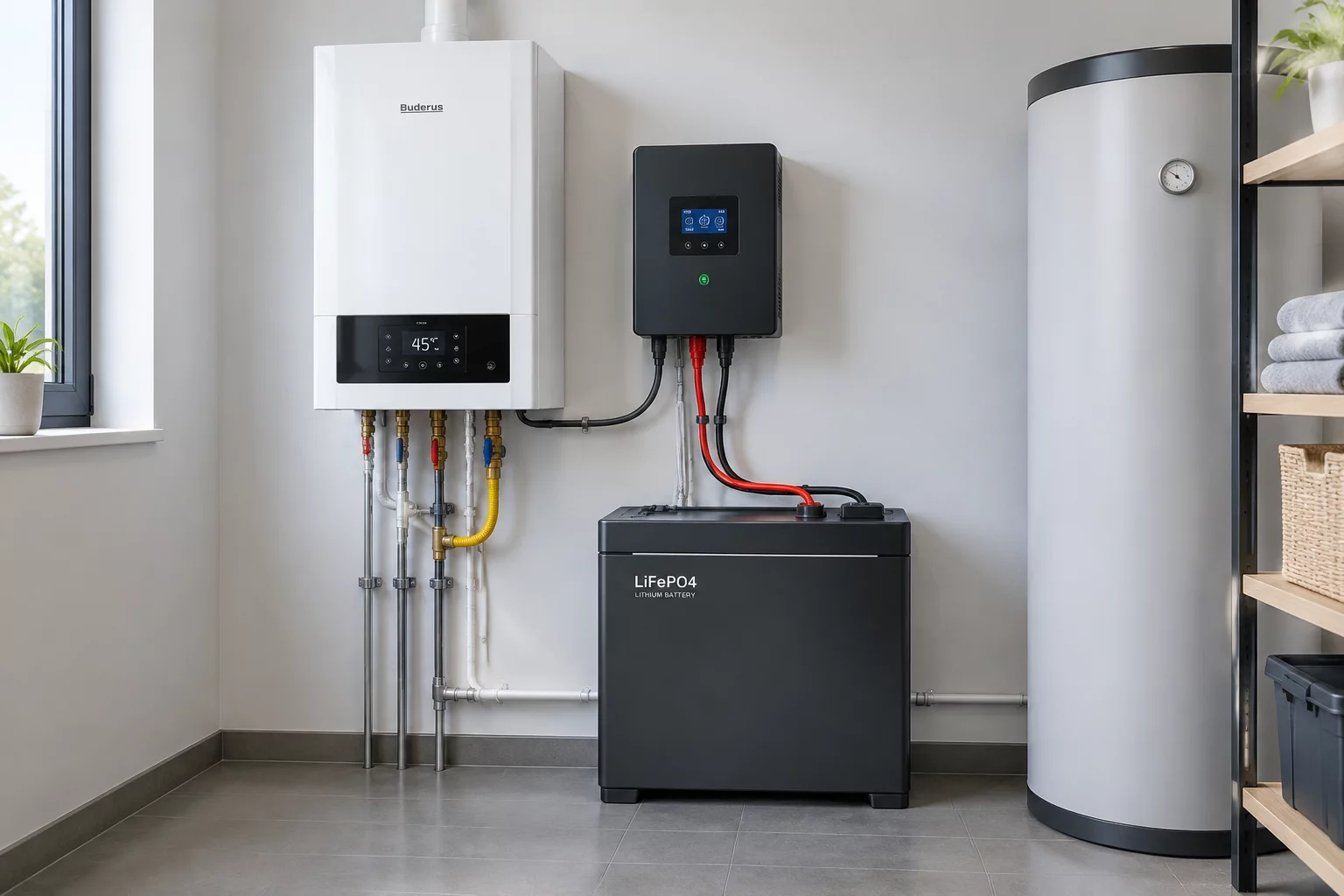 Heating Protection
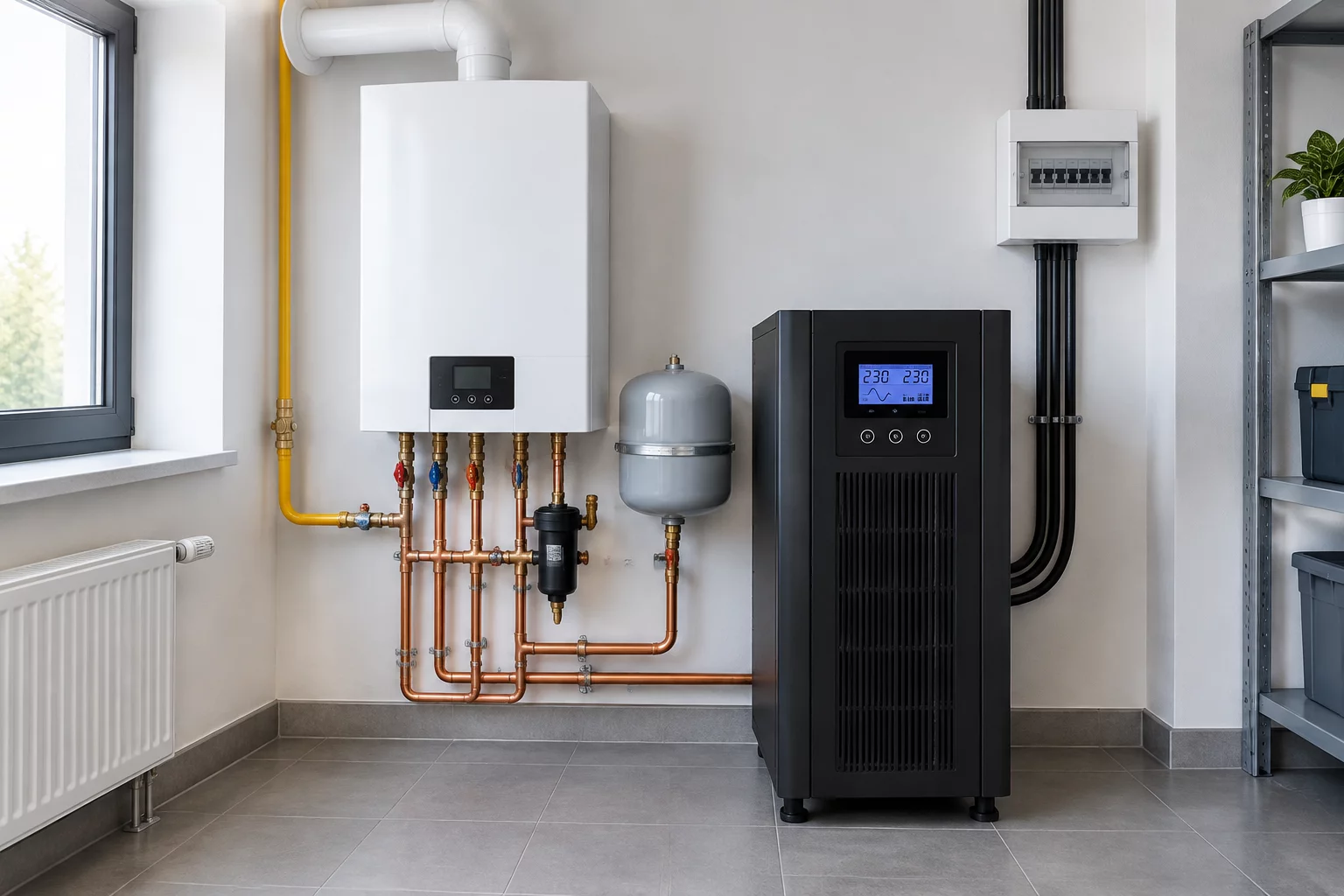
Pure sine wave uninterruptible power systems dedicated to gas boilers, electronic ignition, circulation pumps, and thermostat controllers.
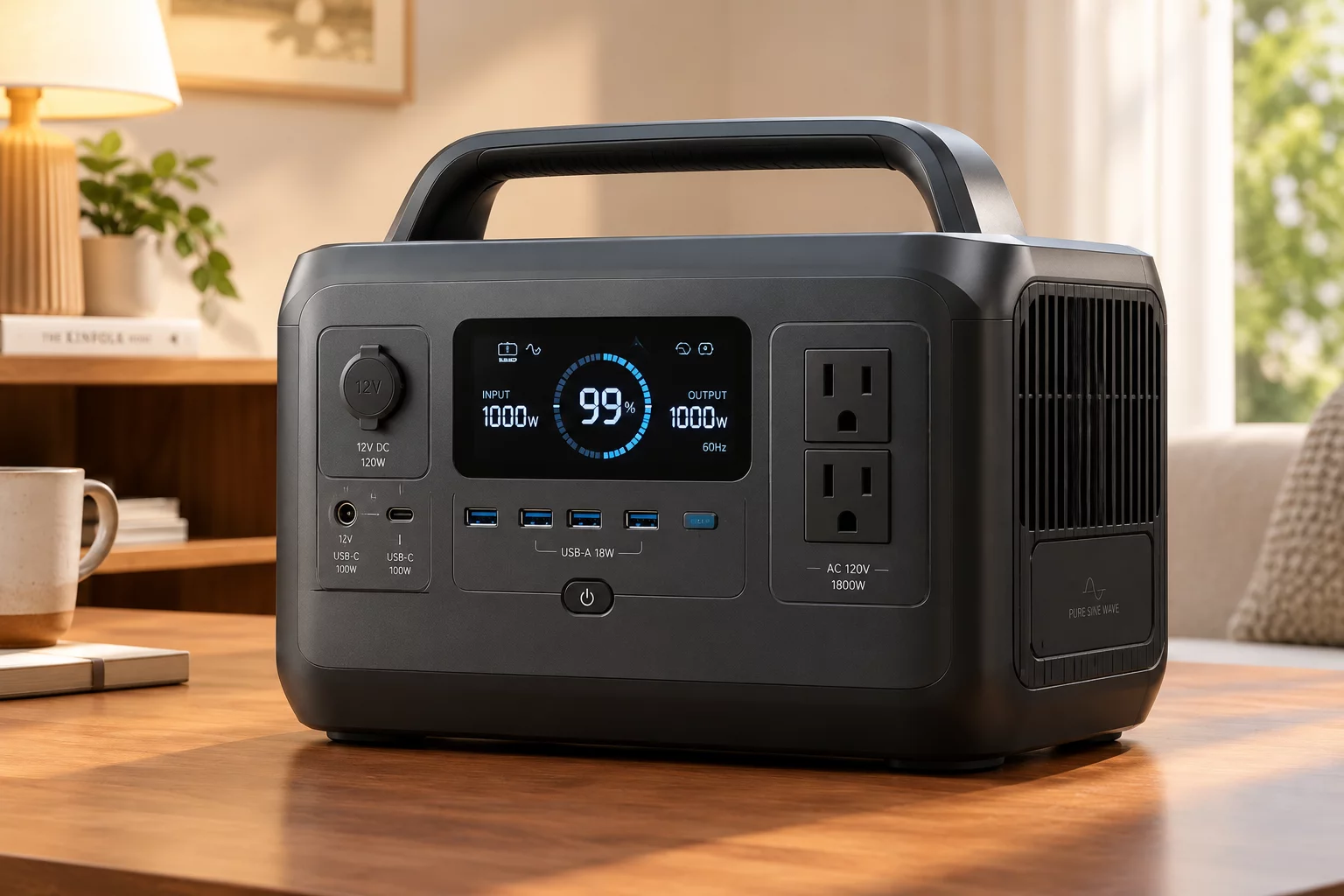 Plug & Play Mobile
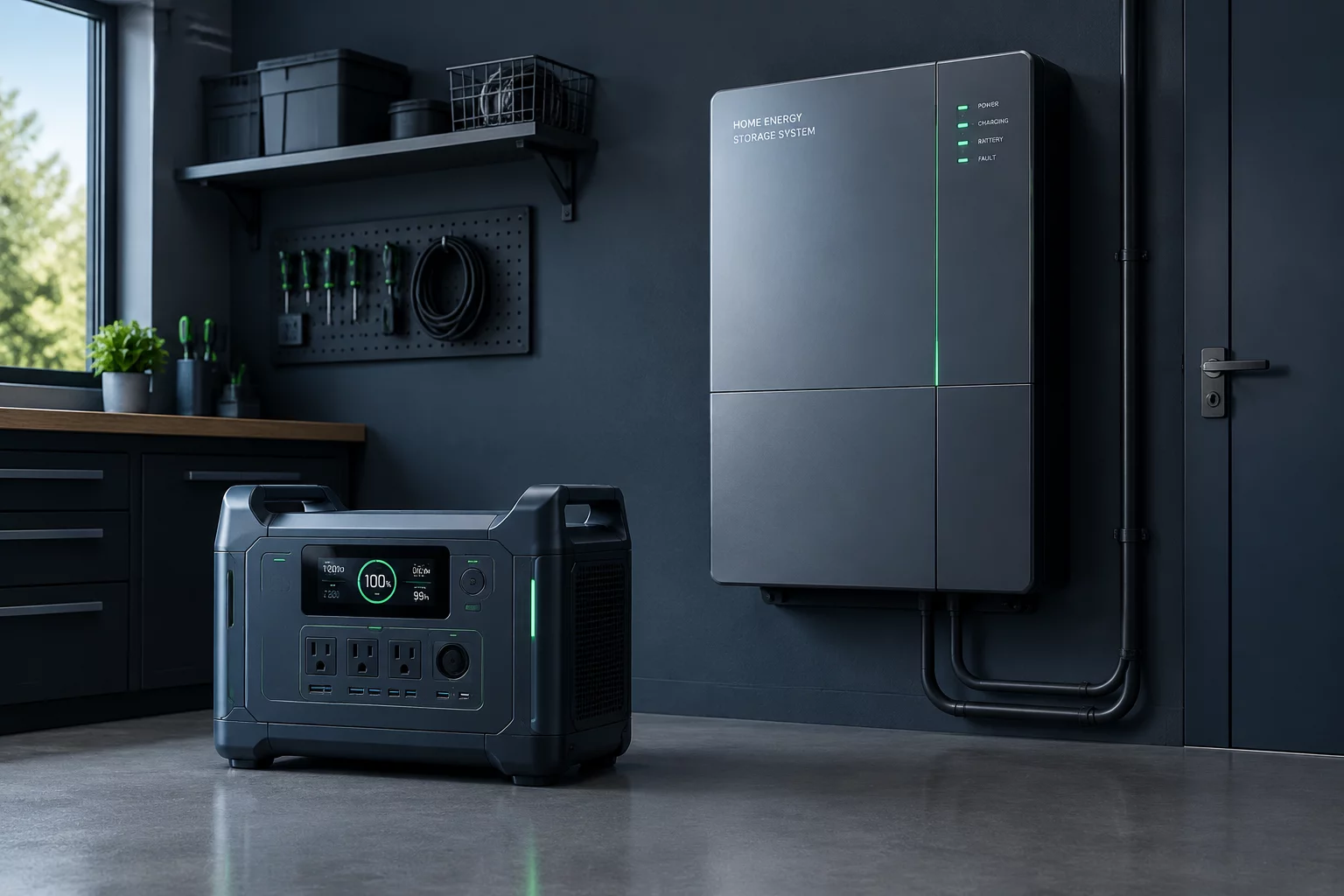
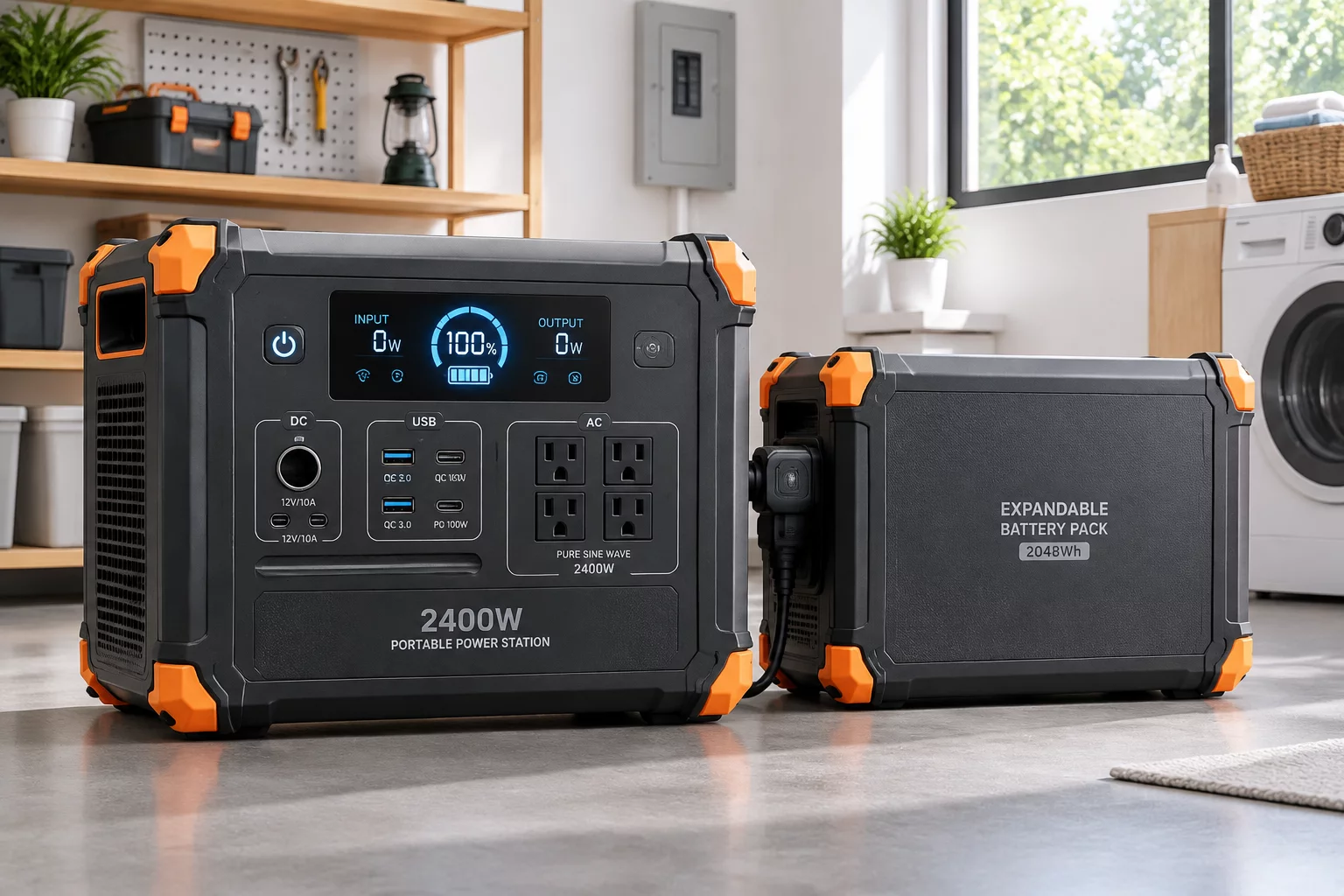
High-density LiFePO4 battery generators equipped with fast AC/USB-C charging ports for medical equipment, telecommunications, and field work.
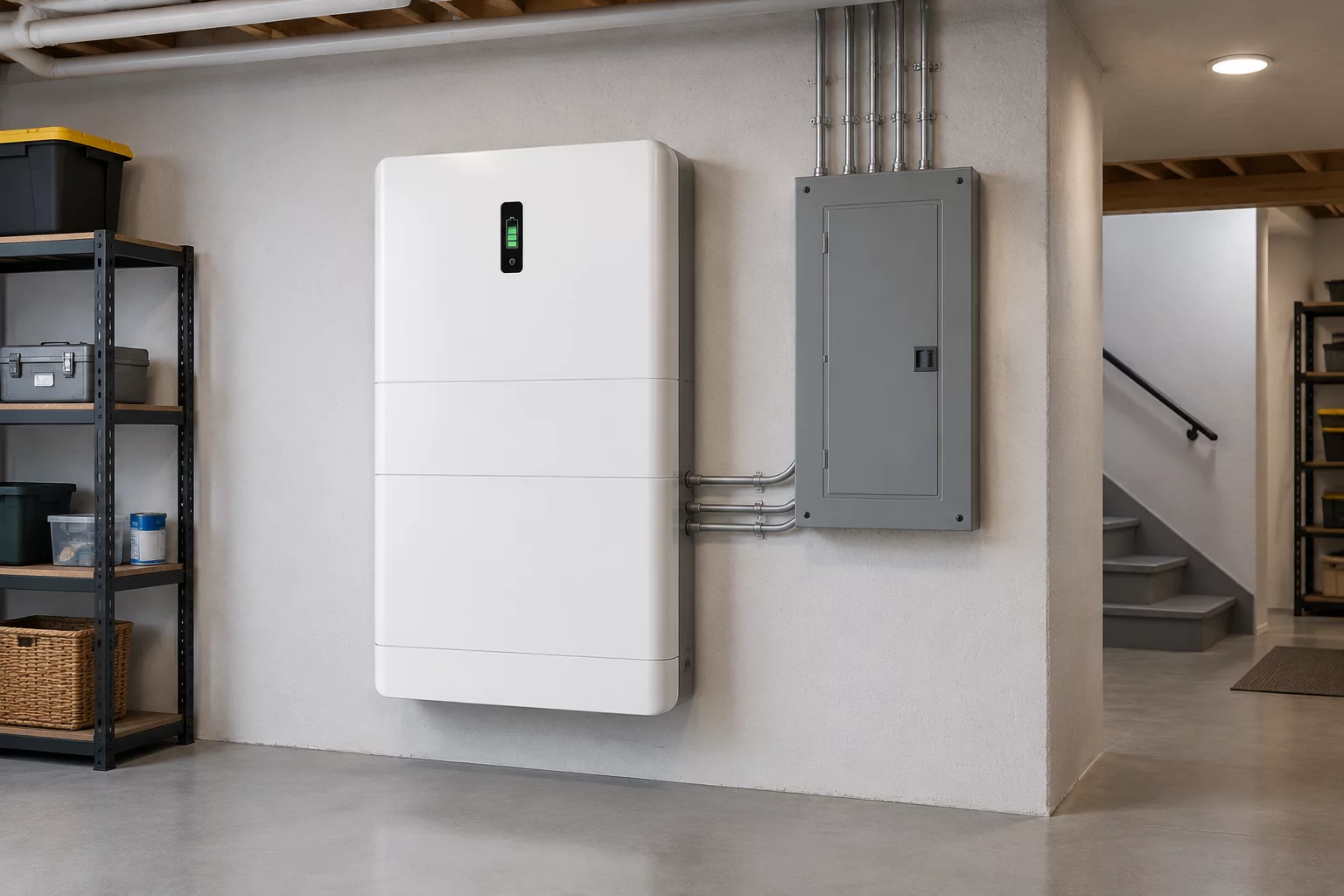 Whole-Subpanel
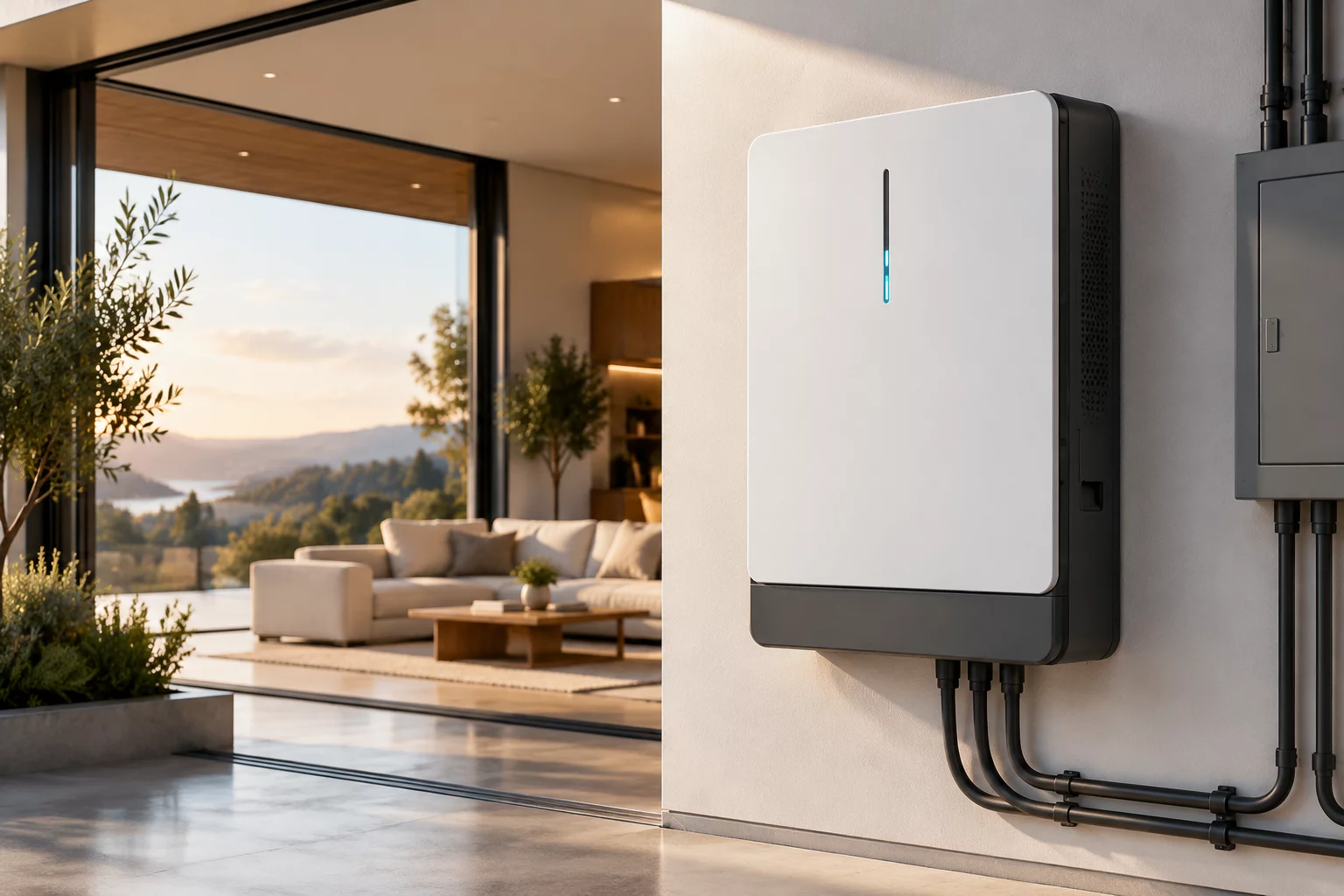
High-capacity stationary wall or rack storage integrated directly with critical service panels for zero-second automatic transfer switching.
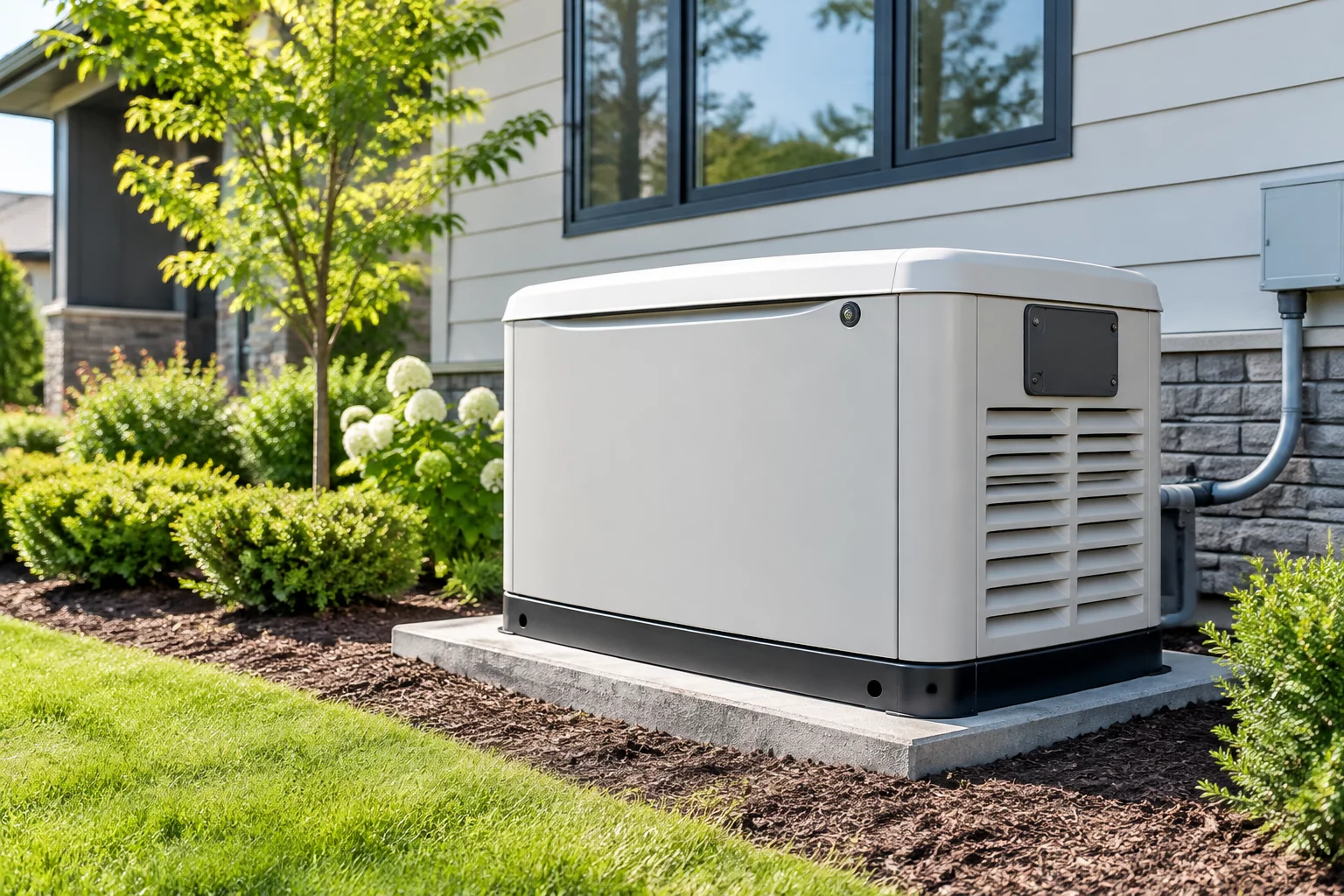 Heavy Duty
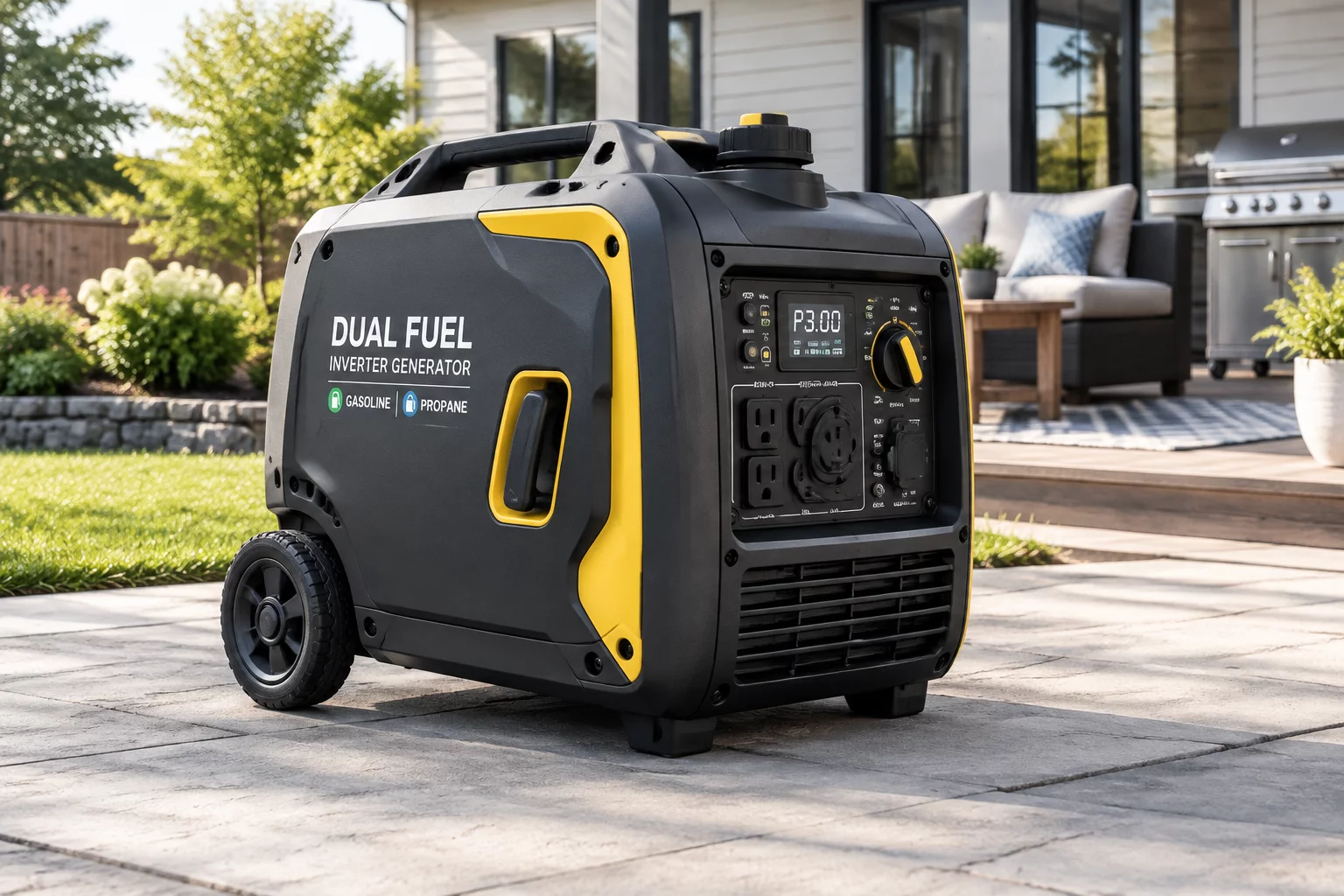
Robust inverter and synchronous fuel generators engineered for continuous baseline operation during multi-day grid breakdown events.
Explore our tested, high-reliability emergency power solutions engineered for boilers, electronics, essential appliances, and full-home resilience.
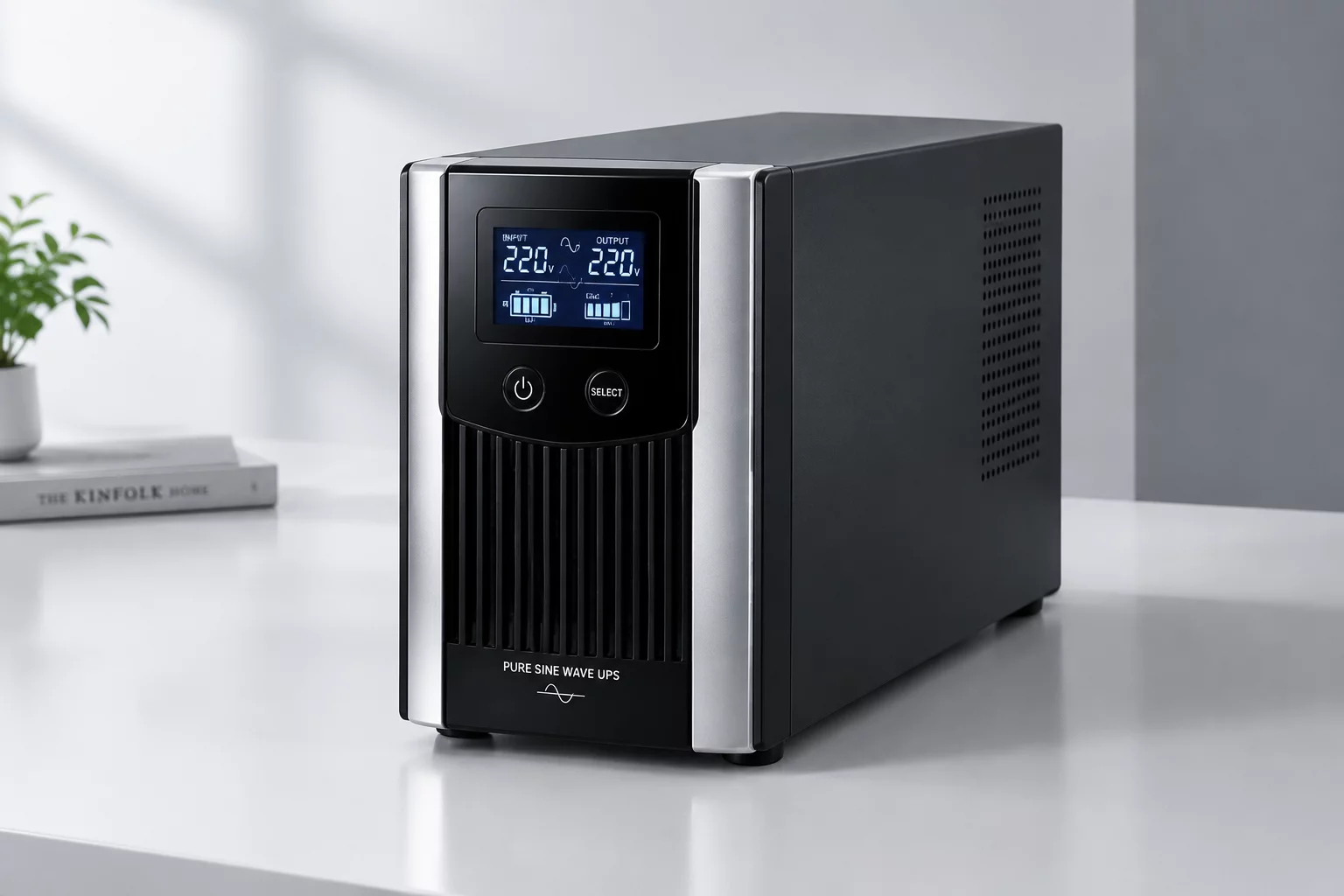 Boiler & CirculationPrice on Request
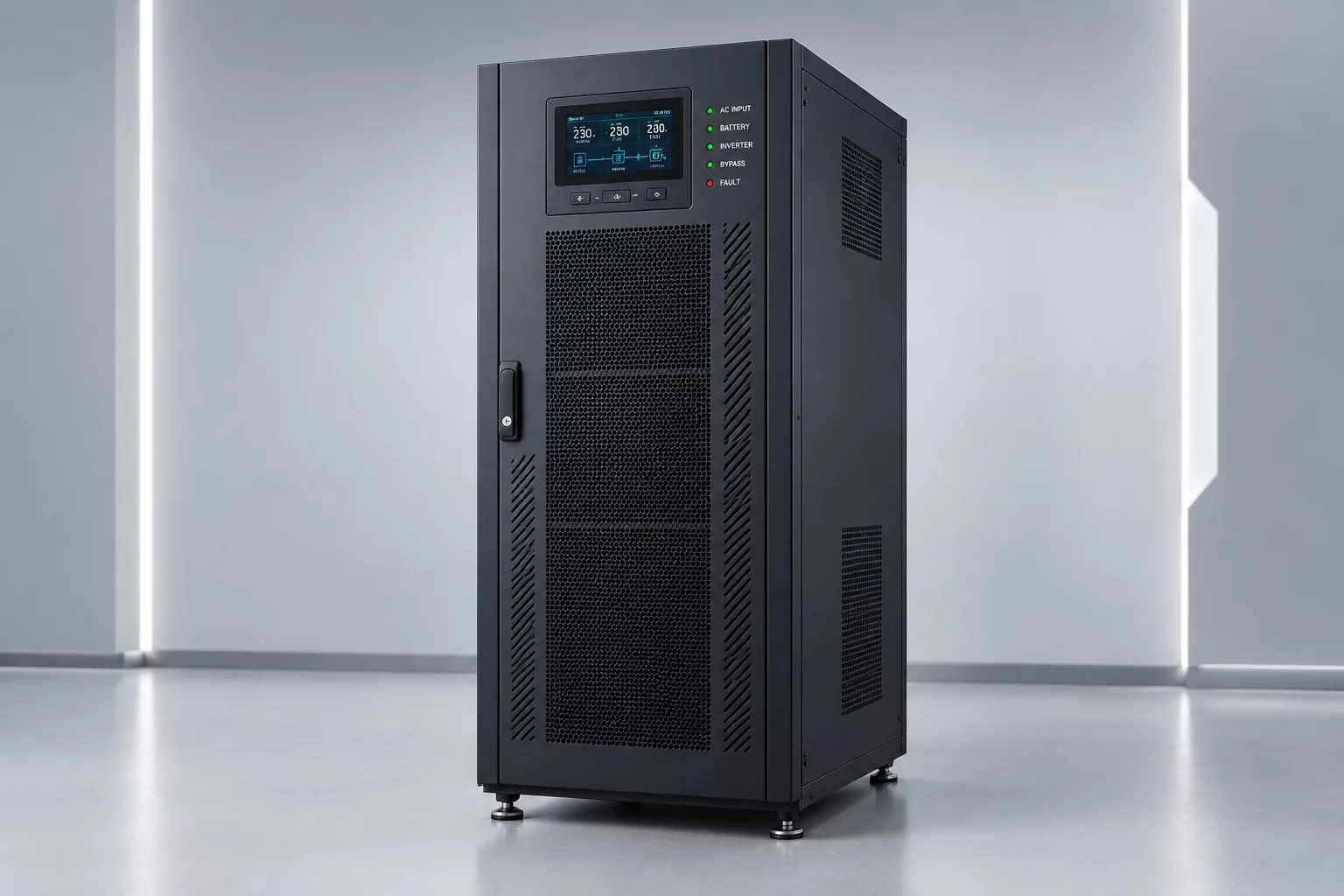 Whole Heating SystemPrice on Request
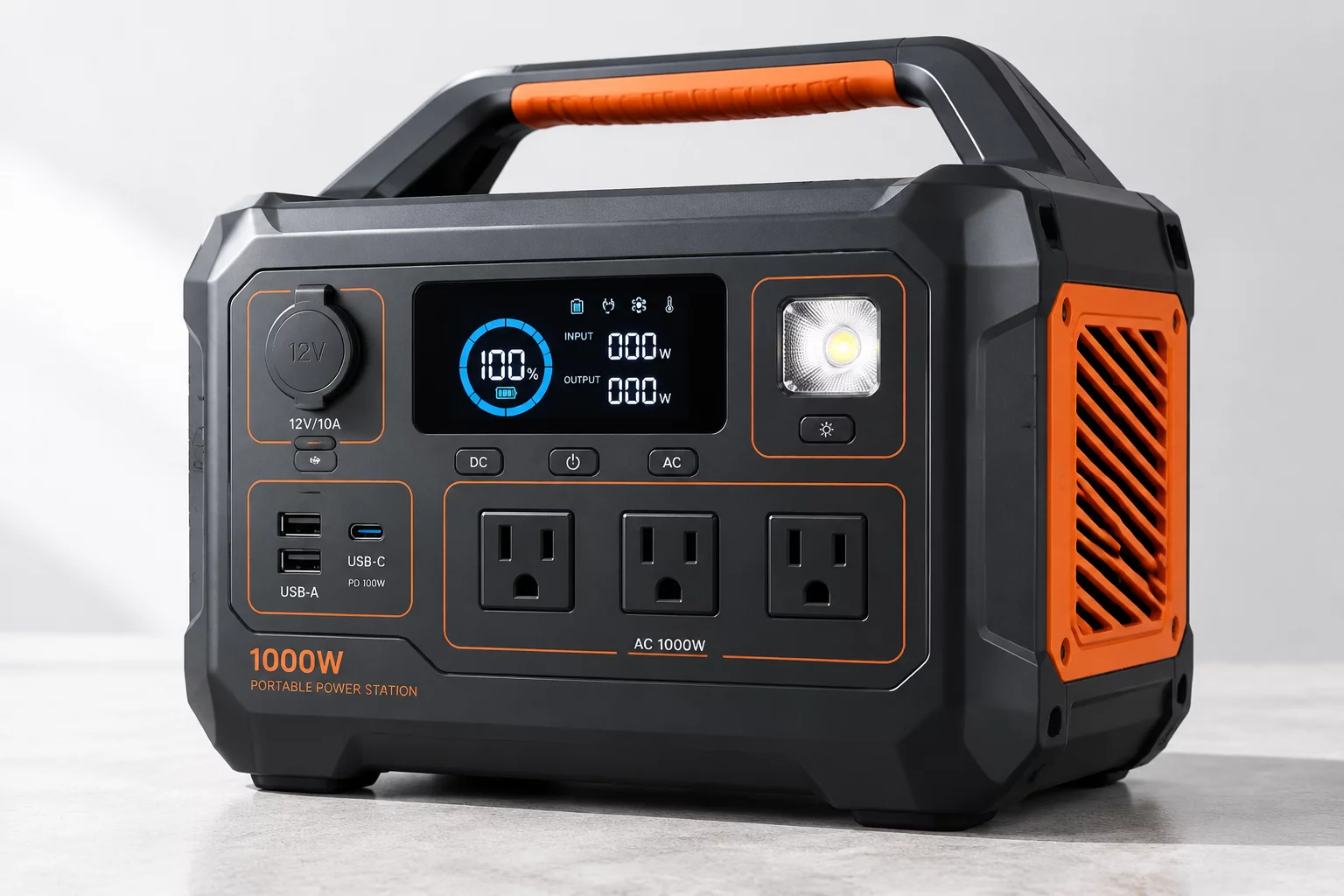 Appliances & DigitalPrice on Request
 Kitchen & ToolsPrice on Request
 Whole House AutonomyPrice on Request
 Long Outage ReservePrice on Request
From initial load analysis to precision commissioning, we ensure your essential heating, security, and residential circuits stay energized during grid outages.
Expert on-site or remote evaluation of your residential electrical setup, heating systems, and critical circuits.
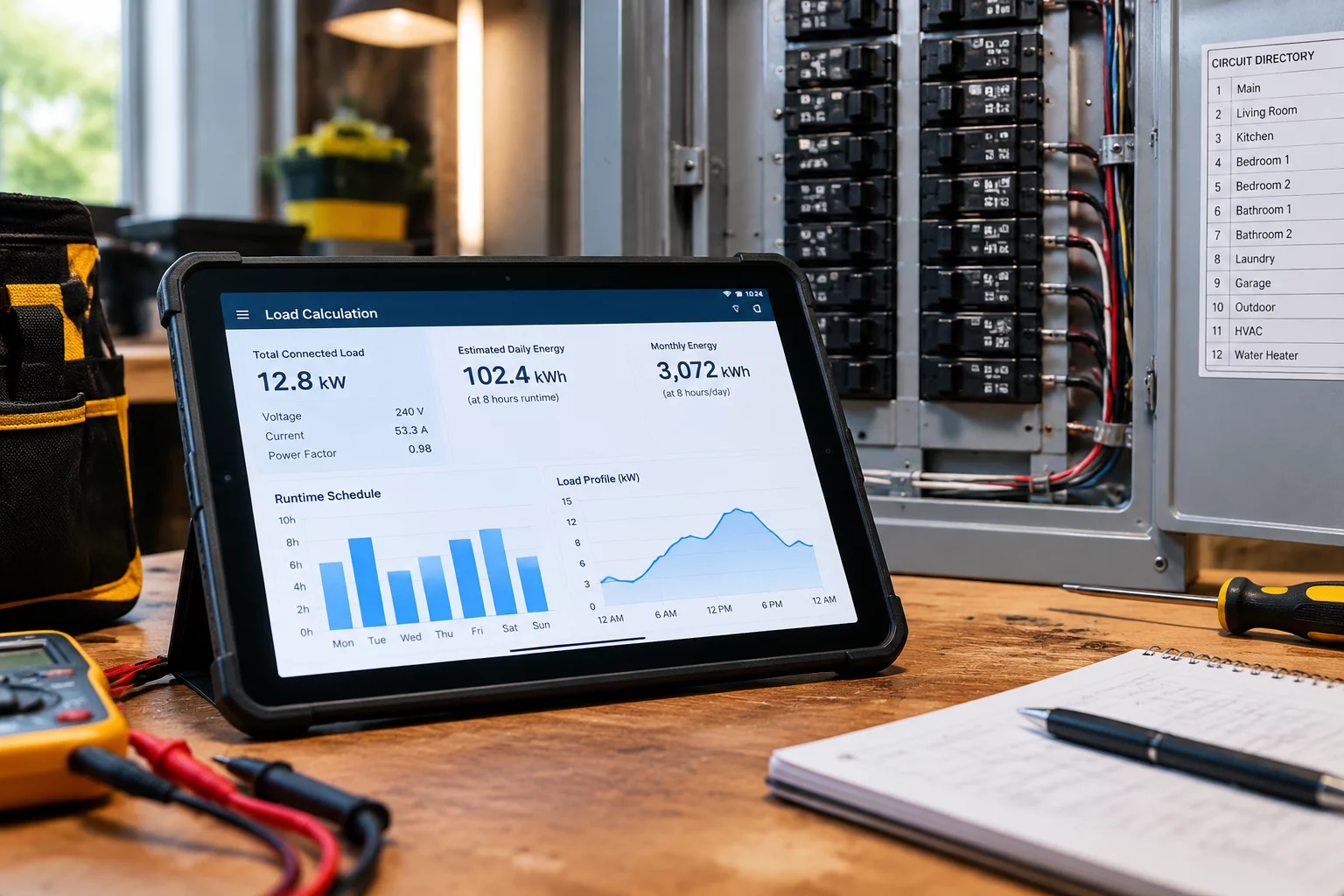
Precise peak wattage, starting current, and continuous energy consumption calculation for key appliances.
Tailored selection between pure sine wave inverters, LiFePO4 battery banks, or hybrid power stations.
Rigorous verification of gas boilers, circulation pumps, medical units, and sensitive automation electronics.
Turnkey wiring, automatic transfer switch (ATS) integration, circuit breaker protection, and safety validation.
Scheduled battery health profiling, inverter firmware updates, load test simulations, and emergency servicing.
Our structured engineering protocol guarantees dependable home backup power by analyzing real electrical characteristics, startup surges, and continuous mission-critical runtimes.
Comprehensive evaluation of all essential electrical consumers including heating boiler circulator pumps, refrigeration compressors, and induction loads with instantaneous starting spikes.
Precise computation of continuous nominal power requirements combined with peak surge capacity to prevent inverter lockouts and safeguard sensitive heating control electronics.
Battery bank capacity sizing (LiFePO4 or Deep-Cycle GEL) based on expected utility grid outage profiles, thermal discharge coefficients, and prioritized essential circuits.
Technical site audit focusing on ambient thermal ventilation, acoustic decibel mitigation for generator placement, dedicated grounding rods, and automated transfer switch (ATS) safety routing.
Formulation of safe operational thresholds, lifecycle maintenance schedules, and pre-wired expandability for supplementary solar PV arrays or auxiliary storage modules.
Comprehensive residential backup power solutions designed to keep your heating boilers, refrigeration, and critical electronics running smoothly during grid disruptions.
Precise calculation of your home peak electrical demands, inrush currents, and continuous wattages to size the perfect reserve capacity.
Pure sine wave output ensures safe, seamless operation for sensitive gas boilers, circulation pumps, medical devices, and smart electronics.
Clear metrics detailing battery cycle lifespan, actual inverter efficiencies, transfer switch speeds, and realistic autonomy runtimes.
Smart controllers automatically balance grid, battery, and generator inputs while protecting your storage system from over-discharge.
Expandable battery banks and stackable inverter stations that allow seamless energy upgrades as your family power requirements grow.
Full guidance through installation schematics, transfer switch integration, seasonal health inspections, and troubleshooting advice.
Explore practical backup configurations engineered to safeguard your critical appliances, heating networks, and daily routines during unexpected utility outages.
Keep circulation pumps, gas valves, and pellet controllers running safely with pure sine wave inverter systems during cold spells.
Pure Sine Wave Line-Interactive UPS with External Battery Bank
Sustain work-from-home setups, optical Wi-Fi terminals, mobile device charging stations, LED illumination, and small kitchen refrigeration.
Compact LiFePO4 Power Station with Rapid Charging Capability
Automated switchover guarding essential distribution sub-panels, deep-well water pumps, security cameras, and perimeter gate drives.
Single-Phase Automatic Transfer Switch (ATS) + Inverter Unit
Resilient multi-source energy configurations combining solar arrays, deep-cycle storage banks, and dual-fuel backup generator inputs.
Hybrid Inverter Hub with Solar Input and Generator Start Port
A step-by-step engineering workflow ensuring reliable, safe, and uninterrupted electrical backup for heating boilers, pumps, and household appliances.
Share your baseline household needs, key appliances, heating systems, and required backup run-time duration.
We evaluate peak inductive inrush currents, running wattage, and critical circuit grouping for exact load profiling.
Our engineers match the ideal pure sine wave inverters, LiFePO4 battery banks, or silent generator transfers.
You receive a detailed bill of materials, guaranteed failover metrics, warranty terms, and full project cost transparency.
Certified technical experts execute turnkey electrical connection, live load testing, and comprehensive safety training.
In-depth technical materials prepared by certified power engineers to help you select, calculate, and operate domestic power resilience systems.
Learn why modified sine waves destroy boiler circulation pumps, how zero-transfer switching prevents combustion controller faults, and how to size external AGM/LiFePO4 battery banks.
A comprehensive breakdown of plug-and-play mobile solar generators versus permanent hardwired hybrid inverter cabinets with sub-panel automatic transfer integration.
Understand continuous wattage vs inrush surge factors, power inverter conversion loss coefficients, Depth of Discharge (DoD), and ambient temperature derating curves.
Find clear, comprehensive engineering answers regarding backup power calculations, boiler compatibility, modular expansions, and strict generator safety protocols.
Calculating the required backup capacity involves calculating both continuous running wattage and inrush starting wattage for all prioritized critical circuits:
Autonomy runtime is determined by multiplying total battery capacity in watt-hours (Wh) by inverter conversion efficiency (typically 85% to 90%) and depth of discharge (DoD: ~90% for LiFePO4, ~50% for lead-acid), then dividing by total continuous connected load in Watts. For example, a 2048Wh LiFePO4 battery powering a 200W constant home heating setup provides approximately (2048 Wh × 0.90 × 0.88) / 200 W = 8.1 hours of continuous runtime.
Yes, provided a pure sine wave line-interactive or online double-conversion UPS is used. Modern gas and pellet heating boilers with electronic flame ionization sensors require a true through-neutral (fixed neutral line) and zero harmonic distortion to prevent ionization failure lockouts. Our boiler-specific power backup packages maintain galvanic isolation and proper neutral reference to ensure 100% stable boiler automation operation.
Appliances can run simultaneously as long as the aggregate continuous wattage and startup spikes do not exceed the inverter's rated output. Critical low-power devices (circulation pumps, network equipment, smart security systems, LED illumination, and medical equipment) can comfortably run together around the clock. High-draw thermal heating appliances (induction cooktops, boilers, electric kettles) should be scheduled separately to avoid triggering overload protection.
Yes. Our modern LiFePO4 battery systems and modular expandable power stations support stacking additional battery expansion packs in parallel or series. High-speed BMS communication ports synchronize internal balancing protocols, enabling seamless scaling from 2 kWh up to 15+ kWh storage capacity as family backup demands expand.
During multi-day grid interruptions, several independent recharge sources can be utilized:
Under no circumstances may a fuel generator (gasoline, diesel, or LPG) be operated inside residential indoor spaces, living areas, hallways, closed basements, garages, or apartment balconies. Exhaust contains lethal odorless Carbon Monoxide (CO) gas.
Generators must strictly be placed outdoors on a stable, non-combustible surface at a minimum distance of 5 meters (16 feet) away from any doors, windows, and ventilation intake ducts, protected by a specialized weatherproof ventilated enclosure.
Solid-state lithium battery systems require virtually zero routine hardware maintenance beyond keeping intake dust vents clean and performing a complete calibration charge cycle every 3 to 6 months. For fuel generators, routine maintenance involves regular oil checks, spark plug inspections, air filter cleaning after every 50 hours of operation, and monthly test runs with a partial electrical load to preserve fuel lines and carburetor integrity.
Fill in your requirements and our engineers will calculate load capacity and prepare an optimal specification.